Monk Fruit vs Artificial Sweeteners — Which Is the Healthier Choice?
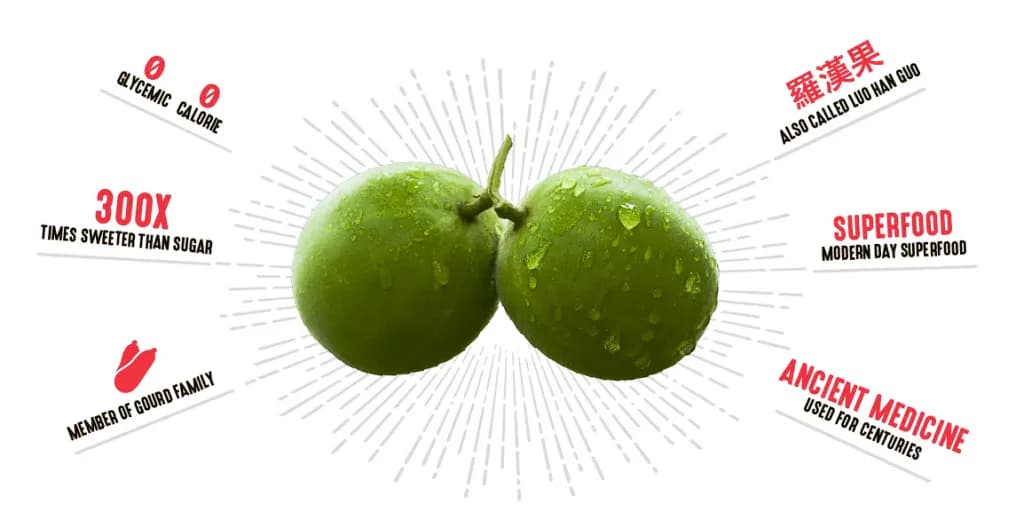
There are many sugar substitutes in the market today — but not all of them are healthy. While some are made chemically, monk fruit sweetener is 100% natural and safer for long-term use.
What Are Artificial Sweeteners?
Artificial sweeteners are synthetic sugar substitutes that provide sweetness without calories. Common examples include:
- Aspartame — Found in diet sodas and sugar-free products
- Sucralose — Marketed as Splenda, used in many processed foods
- Saccharin — One of the oldest artificial sweeteners, often found in tabletop sweeteners
These may provide sweetness without calories but may also come with health concerns, including potential links to digestive issues, headaches, and long-term health risks.
Why Monk Fruit Stands Out
| Feature | Monk Fruit | Artificial Sweeteners |
|---|---|---|
| Source | Natural fruit | Synthetic chemicals |
| Effect on blood sugar | None | None |
| Long-term safety | Considered safe | Some linked to side effects |
| Taste | Clean & natural | Metallic or bitter aftertaste |
🍯 Monk fruit contains mogrosides, known for their antioxidant benefits — something artificial sweeteners lack. These natural compounds not only provide sweetness but also offer potential health benefits.
Best Sweetener for Health?
If you care about natural, clean, and safe sweetening — monk fruit is the clear winner. Unlike artificial sweeteners that are created in laboratories, monk fruit sweetener comes directly from nature, making it a better choice for those who prioritize whole, unprocessed foods.
✅ Monk fruit sweetener offers the sweetness you crave without the concerns associated with artificial alternatives. It's perfect for diabetics, weight watchers, and anyone looking to reduce their intake of processed chemicals.
Ready to Choose the Healthier Option?
👉 Choose a healthier future with Kislay Monk Fruit Sweetener — pure sweetness, naturally.
Shop Monk Fruit Sweetener